
Pollutant Analysis

Exhaust Pollutants from Diesel Vehicles
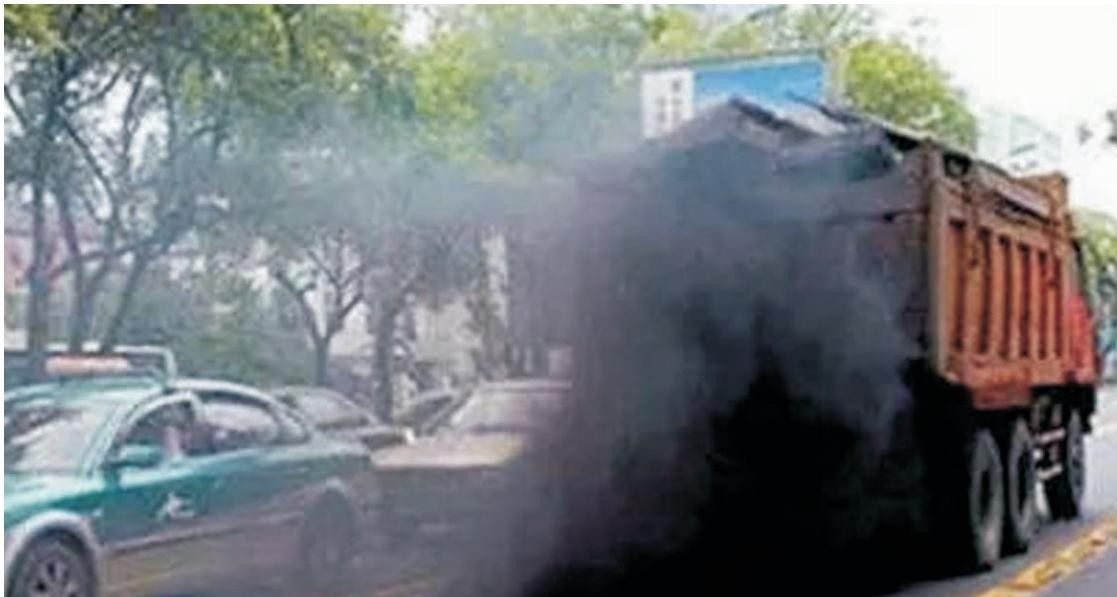
The primary pollutants in diesel exhaust are particulate matter (PM) and nitrogen oxides (NOₓ), together with small amounts of hydrocarbons (HC) and carbon monoxide (CO).

TECHNICAL SCHEME

Scheme Type

Treatment Target

Regeneration Mode

Technical Route

Single-reduction Solution

PM (Particulate Matter) treatment

Active Regeneration

Burner + DOC + DPF

Tail-pipe Fuel Injection + DOC + DPF

Passive Regeneration

DOC + CDPF

DOC + SMF (Sintered Metal Filter)

NOₓ (Nitrogen Oxides) treatment

—

SCR Technical Route

Dual-reduction Solution

Reduce both PM and NOₓ

Active Regeneration

Burner + DOC + DPF + SCR

Tail-pipe Fuel Injection + DOC + DPF + SCR

Passive Regeneration

DOC + CDPF + SCR

DOC + SMF + SCR (Sintered Metal Filter)

TECHNICAL SCHEME

The primary pollutants in diesel exhaust are particulate matter (PM) and nitrogen oxides (NOₓ), together with small amounts of hydrocarbons (HC) and carbon monoxide (CO).
Single-Reduction Solution (PM) — Burner + DOC + DPF

Product Features

● Suitable for retrofit of on-road vehicles and some off-road machinery.

● High particulate filtration efficiency: mass removal efficiency>90%, particle-number removal efficiency>95%.

● Capable of simultaneous removal of gaseous pollutants such as HC and CO from diesel exhaust.

● Partial fuel consumption is required to guarantee filtration and regeneration performance.

● Compatible with China Stage III diesel fuel (sulfur content ≤350 ppm).

● Adopts high-performance materials featuring high-temperature resistance, corrosion resistance, water resistance and thermal insulation.

● Suitable for operating conditions of small-displacement diesel engines with low exhaust temperature.

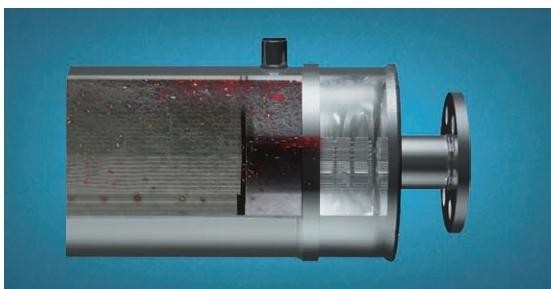
Working Principle

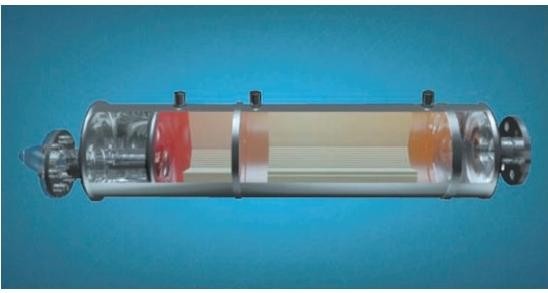
When the soot PM accumulated in the diesel particulate filter (DPF) exceeds the threshold value and exhaust temperature is too low for continuous passive regeneration, air and fuel are fully mixed and injected into the combustion chamber. The mixture is ignited to release heat, raising the temperature to the required soot regeneration temperature and realizing active thermal regeneration of particulates.

DPF Safety Measures

Software Control Strategy

● If the exhaust temperature upstream of DOC, upstream of DPF or downstream of DPF exceeds the threshold, the software will terminate regeneration.

● If the software detects that the pressure difference across DPF is higher than 15 kPa, it will trigger a safety alarm.

● If regeneration duration is too long, the software cuts off fuel injection to stop regeneration.

● If the software detects excessive temperature or excessive peak temperature during regeneration, regeneration will be terminated.


Catalyst Thermal Insulation Protection

● A heat shield is fitted on the catalyst surface to prevent catalyst overheating.


Tailpipe Spark Arrestor

● An aftertreatment spark arrestor is installed to reduce DPF temperature and ensure safe operation of the aftertreatment system.

Kailong Achievements

Segment Project
OE Complete-vehicle supporting cooperation with major domestic automakers
Retrofit Vehicle Project Single-Reduction Solution Changsha Zhongwang Bus Old Fleet Exhaust-purification Retrofit Project
Zhuzhou Bus Old Fleet Exhaust-purification Retrofit Project
Ningxia Yellow-to-Green Retrofit Project
Dezhou China Stage III Heavy-polluting Vehicle Retrofit Shortlisted Project
Gansu Yellow-to-Green Retrofit Project
Xi'an Environmental Bureau Heavy-polluting Vehicle Remediation Retrofit Project
Zhanjiang Yellow-to-Green Retrofit Project
Yangjiang Yellow-to-Green Retrofit Project
Handan China Stage III Heavy-polluting Vehicle Retrofit Project
Liaocheng China Stage III Heavy-polluting Vehicle Retrofit Project
Jining China Stage III Heavy-polluting Vehicle Retrofit Project
Shenzhen Vehicle Retrofit Project
Qingdao Port Vehicle Retrofit Project
Zhenjiang Old Vehicle Retrofit Project
Nanjing Vehicle Retrofit Project
Dual-Reduction Solution Seoul, Korea Stationary Machinery Euro 4 to Euro 5 Upgrade Project
Zhengzhou In-service Heavy-duty Diesel Vehicle Stage III to Stage IV Upgrade Project
Zhenjiang Old Vehicle Retrofit Project
Shanxi Concrete Mixer Truck Retrofit Project
Off-road Single-Reduction Solution Hong Kong Off-road Machinery NOₓ Reduction Retrofit Project (NOₓ≤75 ppm)
Handan, Hebei Off-road Equipment Retrofit Project
Shandong Off-road Equipment Retrofit Project
Gansu Off-road Equipment Retrofit Project
Beijing Off-road Equipment Retrofit Project
Nanjing Off-road Equipment Retrofit Project

List of Current New‑Vehicle Matching Projects Between Kailong and Major OEMs

Engine OEM Engine Model Emission Standard Engine OEM Engine Model Emission Standard Engine OEM Engine Model Emission Standard
SDEC 9DF China V Quanchai 4B2 China V Shanghai Hyundai Hongyan C9 China V
10E China V 4F1 China V C11 China V
12E China V China V C13 China V
4H China V Dachai 4DC China V Xichai 4DX China V
7H China V 4DK China V 4 DW China V
28R China V 4DK China V Yunnei YNF40 China V
Chaochai 4BK China V 6DK China V YNF27 China V
4SK China V ISUZU VM28 China V YNF38 China V
NGD China V 493 China V SANY D07 China V
Dongfeng D29 China V Sofim SFM2.8 China V D09 China V
Ouede OED483Q China V Xichai 6DLD Beijing V (Special) D12 China V

Cooperation Brands

CASE STUDIES

The primary pollutants in diesel exhaust are particulate matter (PM) and nitrogen oxides (NOₓ), together with small amounts of hydrocarbons (HC) and carbon monoxide (CO).
On-road Vehicle Dual-reduction Case (PM + NOₓ Treatment)
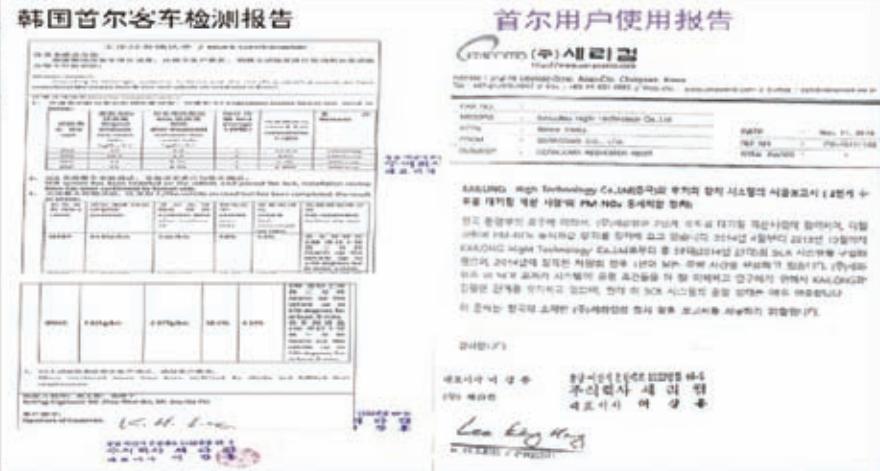
Seoul, Korea: Retrofit Project of Euro II Vehicles to Euro V Emission Standard

Seoul, Korea Retrofit Project: Upgrade Vehicles from Euro II to Euro V

Verified by authorized Korean institute, vehicles meet Euro V emission standard

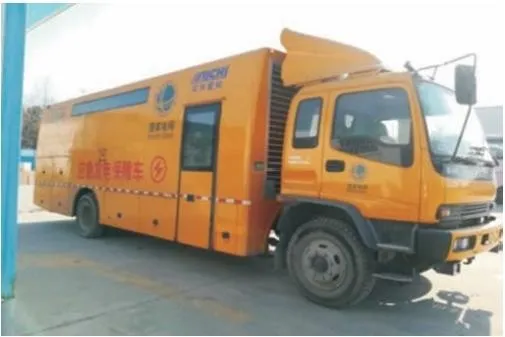
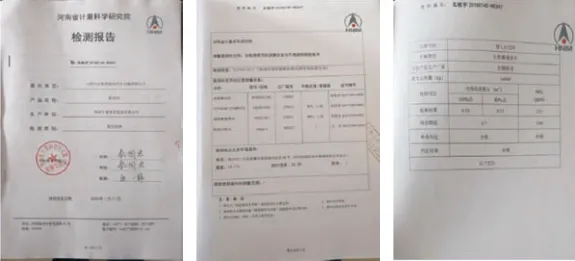
Zhengzhou, Henan: Retrofit Project of In-service Heavy-duty Diesel Vehicles from China Stage III to China Stage IV

Remote Monitoring

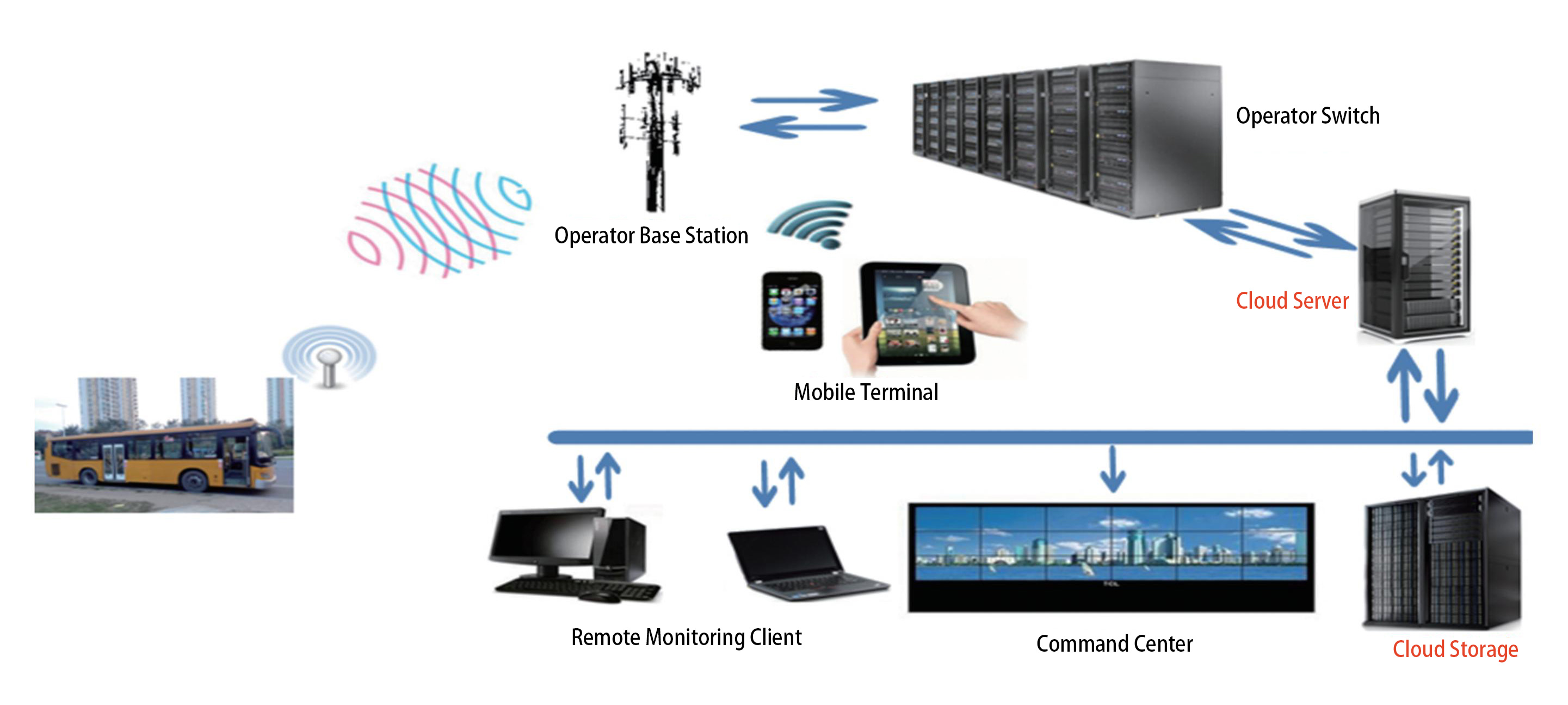
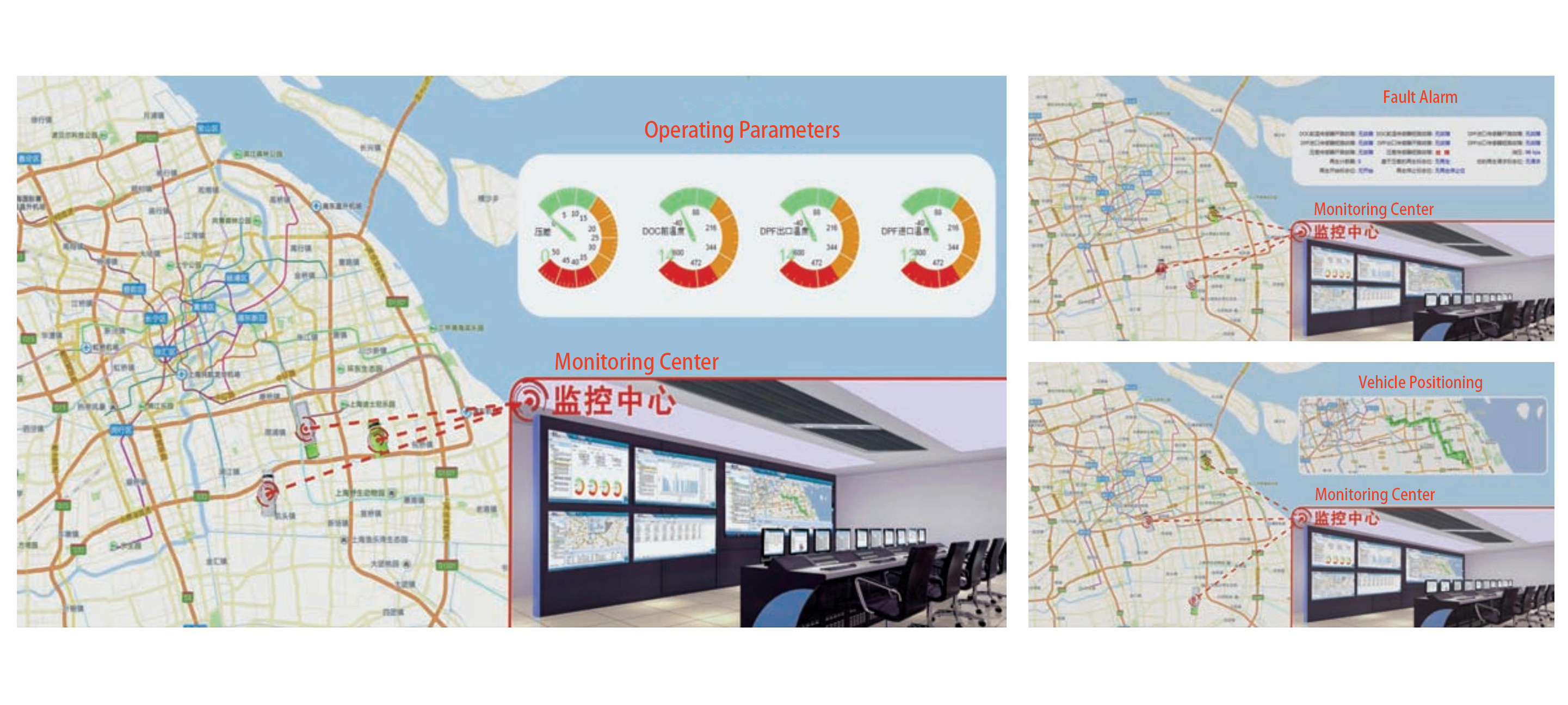
Kailong Hi-Tech remote monitoring platform adopts mobile communication and internet technologies. It enables real-time monitoring of diesel engine aftertreatment parameters, data collection, fault alarm and data analysis of aftertreatment information, realizing intelligent monitoring of the aftertreatment system.

Target Performance After Vehicle Retrofit

Emission Performance

After treatment, if tested by lug-down method specified in GB3847-2005, opacity shall be less than 0.5 m⁻¹. If lug-down test is not feasible, free acceleration test per GB3847-2005 shall be applied, opacity <0.3 m⁻¹.For diesel off-road mobile machinery after treatment, opacity measured by opacimeter under free loading (actual working condition) ≤0.5 m⁻¹.

Power Performance

When the retrofitted diesel vehicle is tested by lug-down method in GB3847-2005, maximum wheel power shall not be lower than 50% of engine rated power specified by manufacturer.Where lug-down test cannot be applied to off-road mobile machinery after treatment, power performance shall meet original machine operational requirements.